Easy Japchae Korean Glass Noodle Stir Fry Recipe
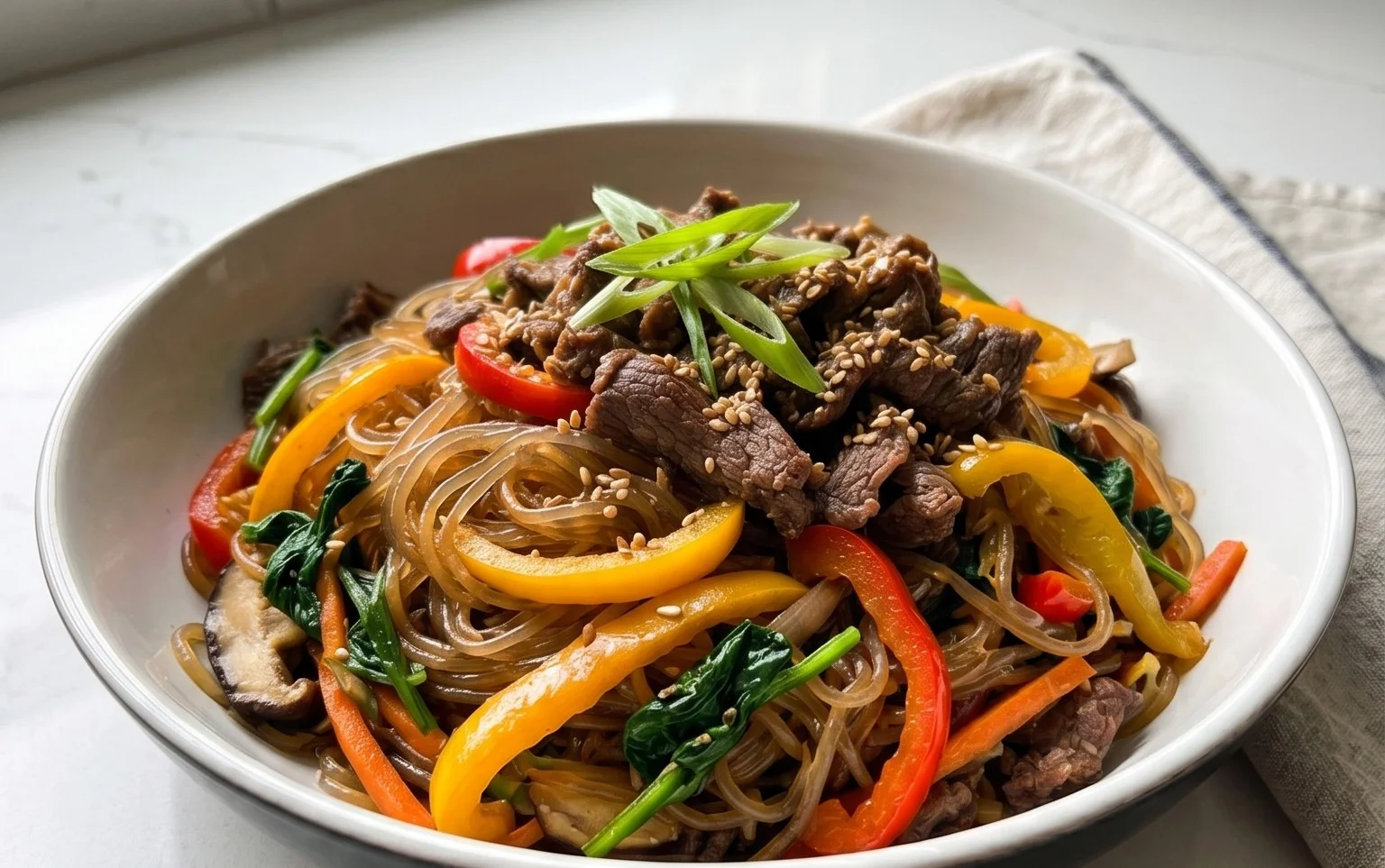
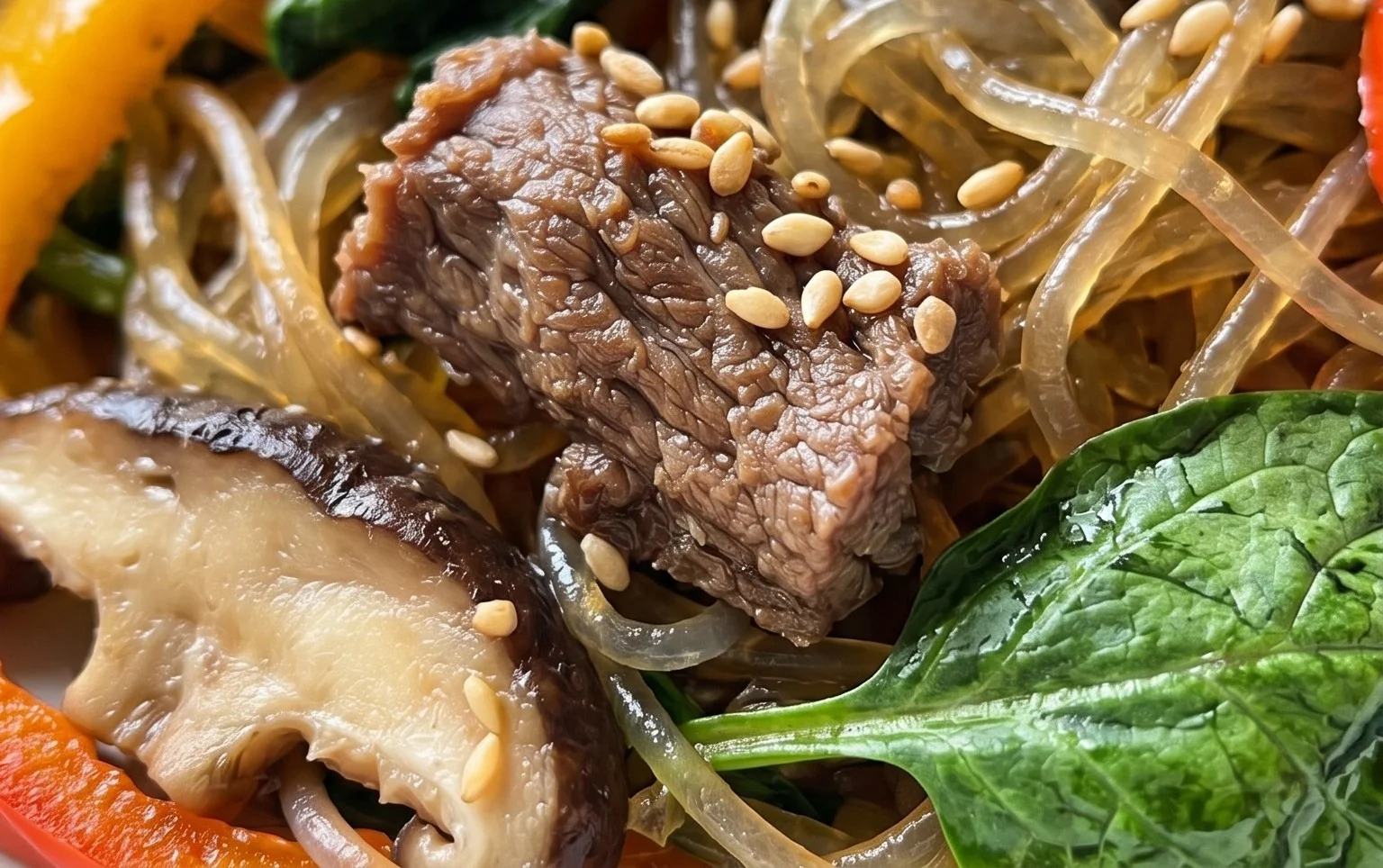
Japchae (Korean Glass Noodle Stir Fry) isn’t just a dish; it’s a celebration on a plate, a vibrant tapestry of textures and flavors that has captured hearts (and taste buds!) worldwide. If you’ve ever experienced the delightful chegrape juicess of Korean glass noodles dancing with an assortment of crisp vegetables and savory seasoned meat, then you already understand the magic. What makes Japchae so incredibly special? It’s the perfect harmony. The sweet and savory soy-based sauce coats every strand of the translucent sweet potato noodles, infusing them with an umami richness that’s utterly addictive. Beyond the noodles themselves, the medley of colorful ingredients – think ruby red bell peppers, emerald spinach, and golden shiitake mushrooms – makes each bite a delightful surprise. It’s this beautiful balance of sweet, salty, and a hint of sesame that makes Japchae a beloved staple at Korean gatherings and a comfort food I return to time and time again.
Japchae (Korean Glass Noodle Stir Fry)
Japchae is a beloved Korean dish, a vibrant and flavorful stir-fry featuring chewy glass noodles, crisp vegetables, and savory protein. It’s often served at celebrations and holidays, but it’s also fantastic for a weeknight meal. The beauty of Japchae lies in its colorful presentation and the delightful balance of sweet, savory, and slightly nutty flavors. The star of the show is the sweet potato glass noodle, which has a wonderfully springy texture that soaks up all the delicious marinade. While it might seem like a lot of ingredients and steps, I promise you, the end result is incredibly rewarding and well worth the effort. Let’s get cooking!
Ingredients:
Preparing the Marinade and Beef
The first step to a fantastic Japchae is to prepare your protein and the marinade. In a medium bowl, combine the soy sauce, honey, brown sugar, and toasted sesame oil. Whisk everything together until the sugar and honey are fully dissolved. Now, take your thinly sliced beef and add about half of this prepared marinade to it. Toss the beef gently to ensure every piece is coated. Season with a pinch of salt and black pepper. Let the beef marinate for at least 15-20 minutes while you prepare the vegetables. This will infuse the beef with a wonderful savory-sweet flavor. If you’re using a cut of beef that’s a bit tougher, you can marinate it for longer, even up to an hour in the refrigerator.
Cooking the Components
This is where we cook each ingredient separately to maintain its best texture and flavor before combining them.
Cooking the Beef
Heat about 1 tablespoon of oil in a large skillet or wok over medium-high heat. Once the oil is shimmering, add the marinated beef in a single layer. Avoid overcrowding the pan; cook in batches if necessary. Stir-fry the beef until it’s browned and cooked through, which should only take a few minutes. Once cooked, remove the beef from the skillet and set it aside on a plate.
Cooking the Vegetables
In the same skillet (no need to wash it!), add a little more oil if needed. First, add the thinly sliced yellow onion and stir-fry for about 2-3 minutes until it starts to soften and become translucent. Next, add the julienned carrot and sliced mushrooms. Continue to stir-fry for another 3-4 minutes until the carrots are tender-crisp and the mushrooms have released some of their moisture and softened. Season the vegetables lightly with salt and pepper. Now, it’s time for the spinach. Add the packed baby spinach to the skillet and stir-fry just until it wilts, which will only take about 1 minute. Remove the vegetables from the skillet and set them aside with the beef.
Cooking the Glass Noodles and Eggs
Bring a large pot of water to a boil. Add the sweet potato glass noodles and cook according to the package directions, usually for about 6-8 minutes. You want them to be tender but still have a slight chew. Once cooked, drain the noodles thoroughly and rinse them under cool water to stop the cooking process and prevent them from sticking together. You can then toss them with a teaspoon of toasted sesame oil to keep them from clumping. In a separate small bowl, whisk the eggs with a pinch of salt and pepper. Heat about 1 teaspoon of oil in the same skillet over medium heat. Pour the beaten eggs into the skillet and cook like a thin omelet. Once cooked, let it cool slightly, then roll it up and thinly slice it into strips. These egg strips are a beautiful and delicious garnish.
Assembling the Japchae
Now for the exciting part – bringin extractg it all together! In a large mixing bowl, combine the cooked glass noodles, stir-fried beef, cooked vegetables (onions, carrots, mushrooms, and spinach), and the green onion pieces. Add the remaining marinade you set aside earlier. Gently toss everything together using tongs or your hands to ensure all the ingredients are evenly coated with the delicious marinade. Taste and adjust seasoning if needed; you might want to add a touch more soy sauce for saltiness or honey for sweetness. The noodles will continue to absorb the flavors as you toss.
Serving Your Masterpiece
Transfer the Japchae to a large serving platter. Garnish generously with the sliced egg omelet strips and a sprinkle of toasted sesame seeds, if using. Serve immediately while warm. Japchae is a complete meal on its own, but it also pairs wonderfully with steamed rice and other Korean side dishes like kimchi. Enjoy the vibrant colors, the incredible textures, and the symphony of flavors in every bite! This dish is truly a celebration of Korean cuisine.
Conclusion:
You’ve now got the roadmap to creating your own delicious Japchae at home! This Korean glass noodle stir fry is a fantastic dish for so many reasons. It’s incredibly versatile, allowing you to incorporate a wide array of colorful vegetables and proteins, making it a visually stunning and nutritionally balanced meal. The chewy, slightly sweet, and savory noodles are utterly satisfying, and the aromas that fill your kitchen as you cook are truly non-intoxicating. It’s a perfect dish for family dinners, potlucks, or even a special treat for yourself. I highly encourage you to gather your ingredients and dive in; I promise you won’t be disappointed!
For serving, Japchae shines on its own as a complete meal, but it also pairs beautifully with other Korean staples like kimchi or a simple bowl of steamed rice. Don’t be afraid to get creative with variations! You can easily make it vegetarian by omitting the meat, or add thinly sliced beef, beef, or even seafood for a heartier version. Feel free to experiment with different vegetables based on what’s in season or your personal preferences – bell peppers, mushrooms, and snap peas are always excellent additions.
Frequently Asked Questions about Japchae:
Q: Can I make Japchae ahead of time?
Yes, you can prepare many components of Japchae ahead of time. The vegetables can be cooked and cooled, and the noodles can be cooked and tossed with a little sesame oil to prevent sticking. However, for the best texture, it’s ideal to combine and sauce everything just before serving. If you do need to reheat it, do so gently, perhaps with a splash of water or broth, to prevent the noodles from becoming mushy.
Q: What are glass noodles made of?
The “glass” noodles in Japchae are typically made from sweet potato starch. This gives them their characteristic translucent appearance when cooked and their wonderfully chewy texture. They absorb flavors beautifully, making them the perfect vehicle for the savory and slightly sweet sauce.
Q: My noodles are sticking together, what did I do wrong?
The most common reason for sticky noodles is not tossing them with enough oil after cooking and draining. A light coating of sesame oil immediately after draining and rinsing with cold water helps to separate the strands. Also, avoid overcooking the noodles; they should be tender yet still have a pleasant chew.
Japchae (Korean Glass Noodle Stir Fry)
A classic Korean dish featuring stir-fried glass noodles with vegetables and thinly sliced beef.
Ingredients
-
12 ounces sweet potato glass noodles
-
16 ounces pork loin, cut into strips
-
2 large eggs, beaten
-
1 large carrot, peeled and julienned
-
1 medium yellow onion, thinly sliced
-
3 mushrooms, thinly sliced
-
2 cups baby spinach, packed
-
2 stalks green onion, cut into 1 inch pieces
-
Oil, for cooking
-
Salt and black pepper, as needed
-
7 tablespoons soy sauce (light sodium)
-
3 tablespoons honey
-
2 tablespoons brown sugar
-
2 tablespoons toasted sesame oil
-
Toasted sesame seeds, for garnish (optional)
Instructions
-
Step 1
Cook the glass noodles according to package directions. Drain, rinse with cold water, and toss with 1 tablespoon of toasted sesame oil to prevent sticking. Set aside. -
Step 2
In a bowl, combine the pork strips with 2 tablespoons soy sauce, 1 tablespoon honey, 1 tablespoon brown sugar, and a pinch of salt and pepper. Marinate for at least 15 minutes. -
Step 3
Heat 1 tablespoon of oil in a large skillet or wok over medium-high heat. Add the marinated pork and stir-fry until browned and cooked through. Remove from skillet and set aside. -
Step 4
Add a little more oil to the skillet if needed. Stir-fry the sliced onion and julienned carrot for 2-3 minutes until slightly tender. Add the sliced mushrooms and cook for another 2 minutes. -
Step 5
Push the vegetables to one side of the skillet. Pour the beaten eggs into the empty side and cook, stirring gently, until scrambled. Chop the scrambled egg into small pieces. -
Step 6
Return the cooked noodles and pork to the skillet with the vegetables and egg. Add the remaining 5 tablespoons soy sauce, 2 tablespoons honey, 1 tablespoon brown sugar, and 1 tablespoon toasted sesame oil. Toss everything together to combine and heat through. -
Step 7
Stir in the baby spinach and green onions. Cook for another 1-2 minutes until the spinach is wilted. -
Step 8
Season with salt and pepper to taste. Garnish with toasted sesame seeds if desired.
Important Information
Nutrition Facts (Per Serving)
It is important to consider this information as approximate and not to use it as definitive health advice.
Allergy Information
Please check ingredients for potential allergens and consult a health professional if in doubt.