Easy Homemade Bread Recipe for Begin extractners – Perfect Loaf
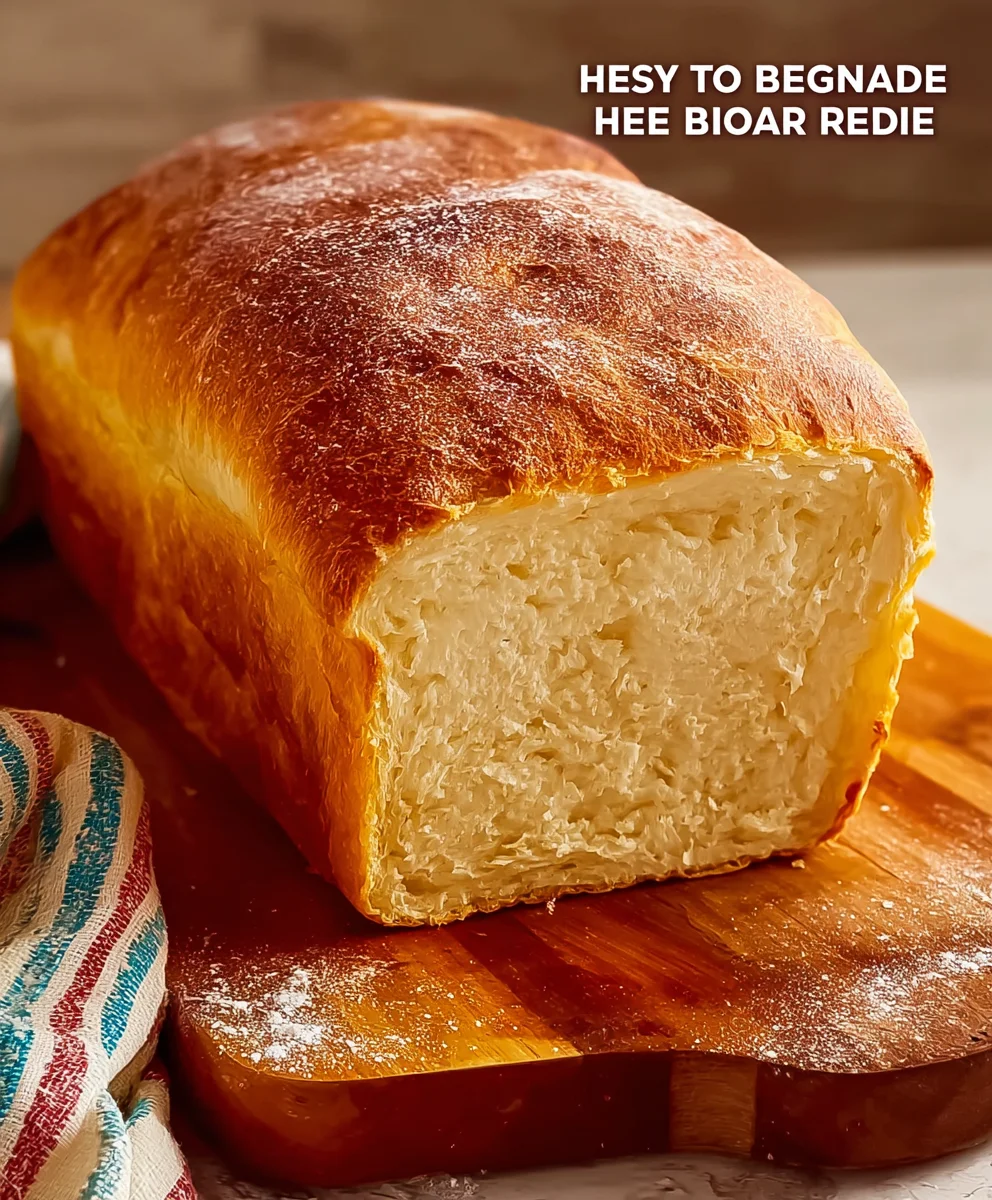
Homemade Bread Recipe for Begin extractners is your gateway to a world of delicious, crusty, and impossibly satisfying loaves baked right in your own kitchen. There’s a unique magic in transforming simple ingredients – flour, water, yeast, and salt – into something so fundamentally comforting. It’s that irresistible aroma filling your home as it bakes, the delightful crackle of the crust as you slice into it, and the sheer pride of knowing you made this. Many people adore this Homemade Bread Recipgin extractor Beginners because it demystifies the bread-making process, proving that you don’t need years of experience to achieve bakery-quality results. What makes this recipe truly special is its forgiving nature; it’s designed to guide you step-by-step, ensuring success even if you’ve never kneaded dough before. Get ready to experience the joy of fresh, warm bread, crafted by your own hands.
Ingredients:
- 1 teaspoon active dry yeast
- 1 ½ cups warm water (105-115°F)
- 1 teaspoon granulated sugar
- 3 ½ to 4 cups all-purpose flour, plus more for dusting
- 1 teaspoon salt
- 2 tablespoons olive oil, plus more for greasing
Preparing the Dough
Step 1: Activating the Yeast
The first crucial step in our Homemade Bread Recipe for Begin extractners is to awaken the yeast. In a large mixing bowl, combine the warm water and the granulated sugar. The water temperature is important here; too cold and the yeast won’t activate, too hot and you’ll kill it. Aim for that sweet spot between 105-115°F, which feels comfortably warm to the touch, like a baby’s bathwater. Sprinkle the active dry yeast over the surface of the water. Don’t stir it in just yet. Let it sit undisturbed for about 5 to 10 minutes. You should start to see a foamy, bubbly layer forming on the surface. This “blooming” indicates that your yeast is alive and ready to work its magic, creating the air pockets that give our bread its wonderful texture. If you don’t see any foam after 10 minutes, it’s best to discard the yeast and start again with a fresh packet.
Step 2: Mixing the Dough
Once your yeast is happily frothy, it’s time to add the other foundational ingredients for our dough. Add the salt to the yeast mixture and give it a quick stir. Now, gradually add the all-purpose flour, starting with 3 ½ cups. Use a wooden spoon or a sturdy spatula to mix everything together until a shaggy gin extractgh begins to form. It will look a bit messy and unappealing at this stage, but that’s perfectly normal. Continue to mix until most of the flour is incorporated and there are no dry pockets of flour remaining. If the dough seems excessively sticky, you can add the remaining ½ cup of flour, a tablespoon at a time, until it’s manageable. The goal is a dough that’s slightly sticky but pulls away from the sides of the bowl.
Kneading and First Rise
Step 3: Kneading the Dough
Now comes the satisfying part: kneading! Lightly flour a clean work surface. Turn the shaggy dough out onto the floured surface. Kneading is essential for developing the gluten in the flour, which gives bread its structure and chegrape juicess. Fold the dough over onto itself, then push down and away with the heels of your hands. Rotate the dough a quarter turn and repeat the folding, pushing, and rotating motion. Continue this process for about 8 to 10 minutes. The dough will transform from a sticky, rough mass into a smooth, elastic ball. You’ll know it’s ready when you can gently poke it with your finger, and the indentation springs back slowly. If the dough starts to stick to your hands or the surface, add just a tiny bit more flour.
Step 4: The First Rise (Proofing)
Lightly grease a clean large bowl with a little olive oil. This prevents the dough from sticking as it rises. Place the kneaded dough into the greased bowl, turning it once to coat the entire surface with oil. Cover the bowl tightly with plastic wrap or a clean kitchen towel. Find a warm, draft-free spot for the dough to rise. A slightly warm oven (turned off, of course!) or a sunny windowsill works wonderfully. Let the dough rise for 1 to 1 ½ hours, or until it has doubled in size. This slow fermentation is where much of the flavor develops, so don’t rush it! You’ll see the dough puff up significantly, creating beautiful air pockets within.
Shaping and Second Rise
Step 5: Shaping the Loaf
Once the dough has doubled in size, gently punch it down to release the accumulated gases. This deflation is a critical step before shaping. Turn the dough out onto a lightly floured surface again. For a classic round loaf, gently shape the dough into a ball by tucking the edges underneath. If you prefer a rectangular loaf for sandwich bread, flatten the dough into a rough rectangle and then roll it up tightly, pinching the seam closed. Place the shaped dough onto a baking sheet lined with parchment paper, or into a greased loaf pan. Make sure the seam side is down.
Step 6: The Second Rise (Proofing)
Cover the shaped dough loosely with plastic wrap or a clean kitchen towel. Allow it to rise again in a warm place for another 30 to 45 minutes, or until it has nearly doubled in size. This second rise is called proofing, and it ensures the bread will be light and airy when baked. While the dough is proofing for the second time, preheat your oven to 400°F (200°C). This is the optimal temperature for achieving a golden-brown crust and a perfectly cooked interior. Ensure your oven is fully preheated before you’re ready to bake.
Baking
Step 7: Baking the Bread
Once the dough has completed its second rise and your oven is preheated, it’s time to bake! If you like, you can lightly score the top of the loaf with a sharp knife or a lame (a special bread-scoring tool). This helps control where the bread expands as it bakes and adds a decorative touch. Carefully place the baking sheet or loaf pan into the preheated oven. Bake for 30 to 35 minutes, or until the crust is a deep golden brown and the bottom of the loaf sounds hollow when tapped. If you’re using a loaf pan, you can carefully remove the bread from the pan after about 20 minutes and place it directly on the oven rack to finish baking, which helps ensure an even crust.
Step 8: Cooling and Enjoying
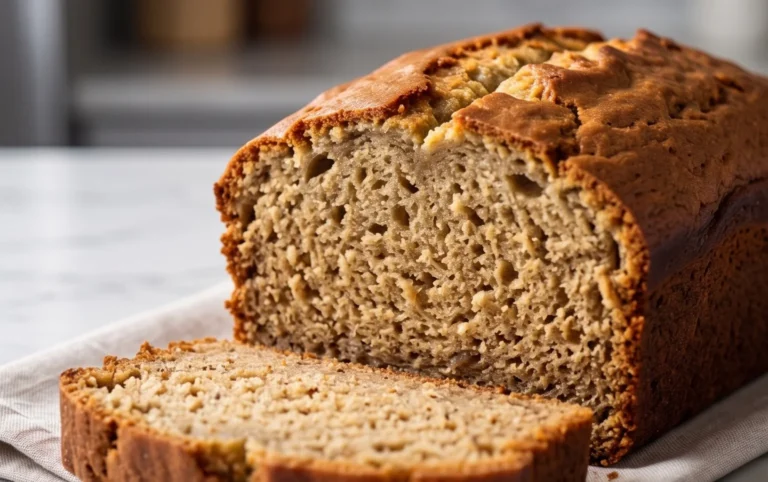
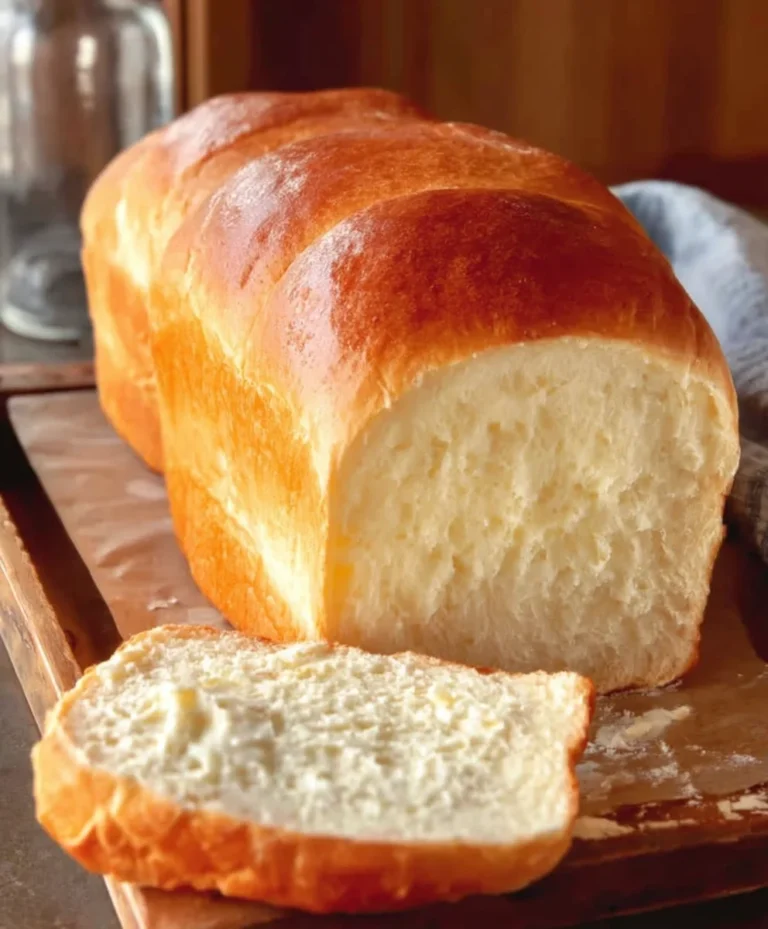
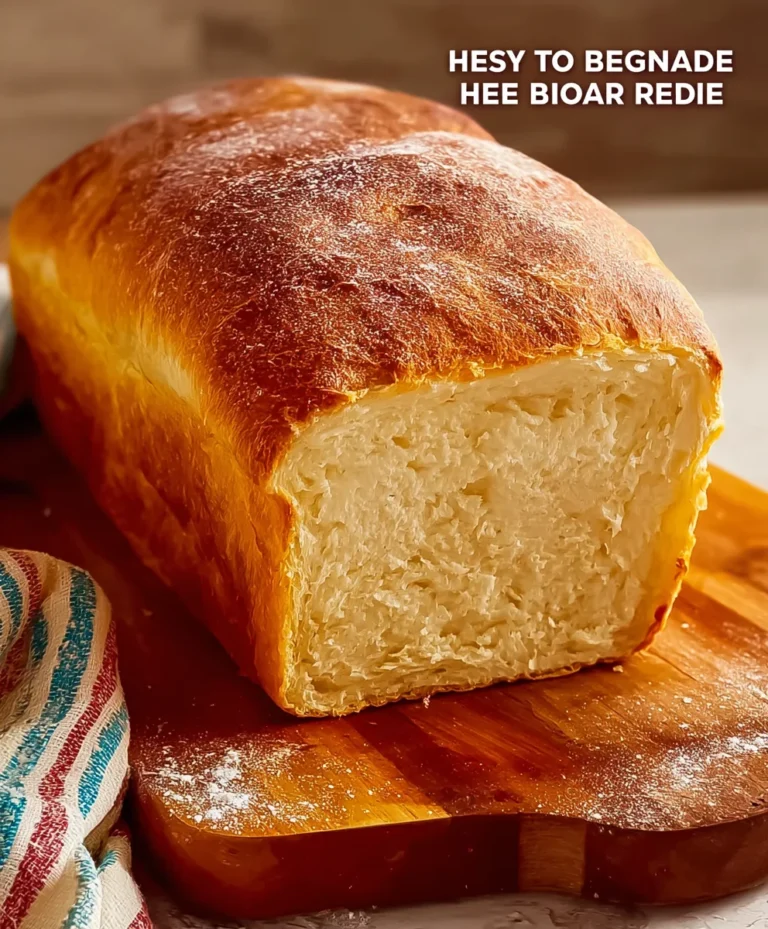
This is perhaps the hardest part – waiting! Once the bread is baked to perfection, remove it from the oven and immediately transfer it to a wire cooling rack. This is crucial to prevent the bottom crust from becoming soggy. Let the bread cool completely, for at least an hour, before slicing. Slicing hot bread can result in a gummy texture. Once cooled, slice it with a serrated bread knife and enjoy the fruits of your labor! The aroma filling your kitchen will be your reward, and the taste of fresh, homemade bread is simply unparalleled. Whether you slather it with butter, dip it in soup, or use it for sandwiches, this simple recipe is sure to become a favorite.
Conclusion:
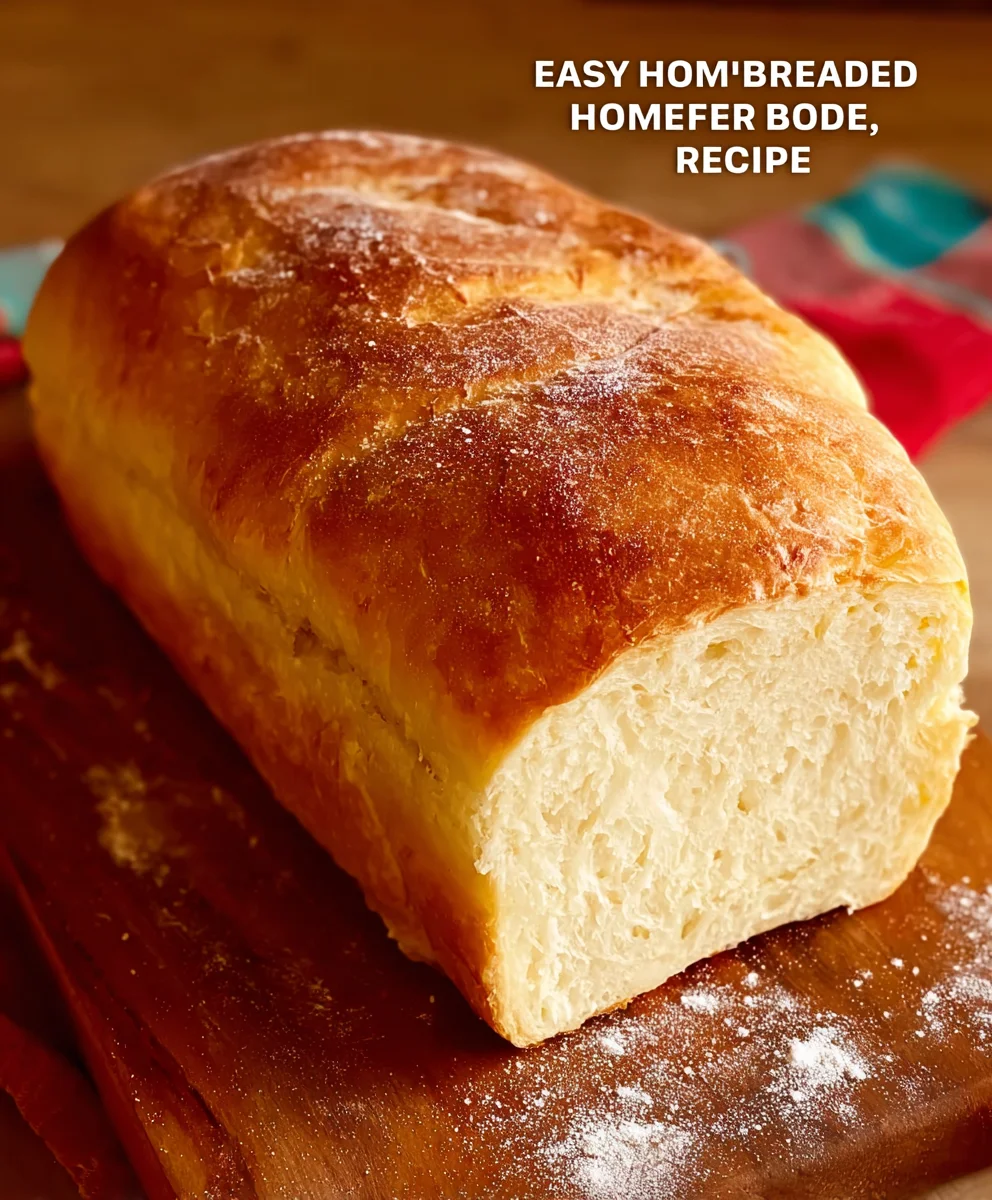
And there you have it – your very own delicious Homemade Bread Recipe for Begin extractners! We’ve walked through each step together, from activating your yeast to achieving that perfect golden-brown crust. This recipe is designed to be approachable and rewarding, even if you’ve never baked bread before. The aroma of freshly baked bread filling your home is truly unparalleled, and the satisfaction of slicing into your creation is immense. Don’t be afraid to experiment and make it your own! This simple yet fundamental recipe is a fantastic starting point for a lifetime of enjoyable baking.
Serve your warm, crusty Homemade Bread Recipgin extractor Beginners with butter, jam, or use it as the base for your favorite sandwiches. It’s also wonderful alongside soups and stews. For variations, consider adding herbs like rosemary or thyme to the dough, or a sprinkle of sesame seeds or poppy seeds to the top before baking.
Frequently Asked Questions:
Why didn’t my bread rise properly?
Several factors can affect rising. Ensure your yeast is fresh and that the water you used was the correct lukewarm temperature (not too hot, which kills yeast, or too cold, which slows it down). Also, give your dough enough time to rise in a warm, draft-free place. Overworking or underworking the dough during kneading can also impact its ability to rise.
Can I make this recipe without a stand mixer?
Absolutely! While a stand mixer makes kneading easier, it’s perfectly achievable by hand. You’ll simply need to dedicate a bit more time and elbow grease to the kneading process until the dough is smooth and elastic. The key is consistent kneading to develop the gluten structure necessary for a good rise and texture.
Easy Homemade Bread Recipe for Beginners – Perfect Loaf
A simple and satisfying homemade bread recipe perfect for beginners, yielding a delicious and perfectly baked loaf.
Ingredients
-
1 teaspoon active dry yeast
-
1 ½ cups warm water (105-115°F)
-
1 teaspoon granulated sugar
-
3 ½ to 4 cups all-purpose flour, plus more for dusting
-
1 teaspoon salt
-
2 tablespoons olive oil, plus more for greasing
Instructions
-
Step 1
Activate the yeast: In a large mixing bowl, combine warm water and granulated sugar. Sprinkle active dry yeast over the surface. Let sit undisturbed for 5-10 minutes until foamy. -
Step 2
Mix the dough: Add salt to the yeast mixture. Gradually add 3 ½ cups of all-purpose flour, mixing until a shaggy dough forms. Add more flour if needed until manageable and slightly sticky. -
Step 3
Knead the dough: Turn the dough onto a lightly floured surface. Knead by folding, pushing, and rotating for 8-10 minutes until smooth and elastic. -
Step 4
First rise (proofing): Grease a large bowl with olive oil. Place dough in the bowl, turn to coat. Cover tightly and let rise in a warm, draft-free spot for 1 to 1 ½ hours, or until doubled in size. -
Step 5
Shape the loaf: Gently punch down the dough. Turn onto a floured surface and shape into a ball or rectangle. Place on a baking sheet or in a greased loaf pan, seam side down. -
Step 6
Second rise (proofing): Cover the shaped dough loosely and let rise again in a warm place for 30-45 minutes, or until nearly doubled. Preheat oven to 400°F (200°C) during this time. -
Step 7
Bake the bread: Score the top if desired. Bake for 30-35 minutes, or until the crust is golden brown and the bottom sounds hollow when tapped. -
Step 8
Cool and enjoy: Remove bread from oven and transfer to a wire cooling rack. Let cool completely for at least an hour before slicing.
Important Information
Nutrition Facts (Per Serving)
It is important to consider this information as approximate and not to use it as definitive health advice.
Allergy Information
Please check ingredients for potential allergens and consult a health professional if in doubt.