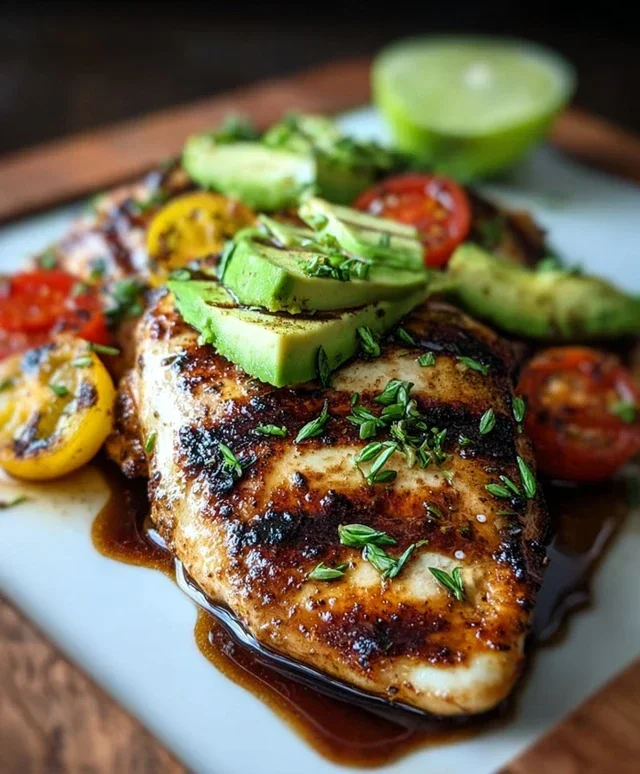
Quick & Easy Chimichurri Sauce Recipe
Chimichurri sauce is more than just a condiment; it’s a vibrant explosion of fresh herbs and zesty flavors that has captivated palates worldwide. Have you ever tasted something that instantly transports you to a sun-drenched Argentinian barbecue, even if you’ve never been? That’s the magic of a truly exceptional chimichurri sauce. It’s not just about adding a kick; it’s about enhancing the natural goodness of grilled meats, vegetables, and even seafood with its bright, herbaceous, and slightly tangy profile. What makes it so special? It’s the perfect harmony of parsley, garlic, oregano, red pepper flakes, and vinegar, creating a refreshing counterpoint to richer dishes. We’re about to unlock the secrets to making this iconic sauce yourself, and trust me, once you master it, you’ll be reaching for your chimichurri sauce for everything.
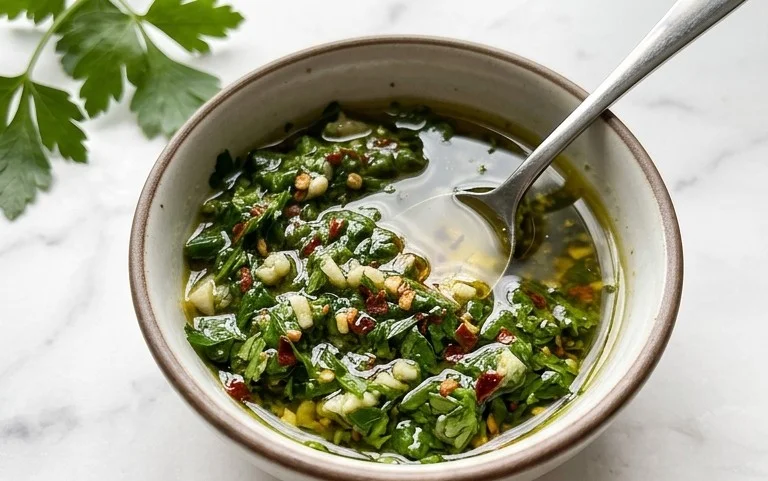
Chimichurri Sauce
Hello fellow food lovers! Today, we’re diving into the vibrant world of chimichurri, a zesty, herb-packed sauce that’s a true game-changer for grilled meats, roasted vegetables, and pretty much anything you can think of. Forget those store-bought versions; making fresh chimichurri at home is incredibly simple and the flavor explosion is unparalleled. This Argentinian staple is all about fresh, bright ingredients coming together to create a sauce that’s both refreshing and incredibly flavorful. It’s the perfect way to elevate your everyday meals and impress your guests with minimal effort.
This recipe is a classic, offering a beautiful balance of herbs, a touch of acidity, and a hint of spice. It’s incredibly versatile and can be adapted to your personal preferences, but this foundational recipe is a fantastic starting point.
Ingredients:
Making Your Chimichurri
The beauty of chimichurri lies in its simplicity. There’s no cooking involved; it’s all about bringin extractg together fresh, high-quality ingredients. Let’s get started!
1. Begin extract by prepping your fresh herbs. You’ll want to wash your parsley and cilantro thoroughly and pat them completely dry. This is crucial because any excess water can dilute the flavors of your sauce and affect its shelf life. Once dry, roughly chop both the parsley and cilantro. For the oregano, if you’re using fresh, give it a good rinse and pat dry as well, then finely chop. If you’re opting for dried oregano, you can simply measure it out.
2. Next, let’s tackle the aromatics. Take your red onion (or shallot if you prefer a milder flavor) and give it a fine dice. The smaller you can get the pieces, the better they will integrate into the sauce. Following that, peel your garlic cloves. You can mince them very finely with a knife, or for a smoother consistency, you can use a garlic press. The goal here is to have these ingredients distributed evenly throughout the sauce without any overwhelmingly large pieces.
3. Now, it’s time to combine the ingredients. In a medium-sized bowl, add your chopped parsley, cilantro, and oregano. Then, add the finely minced red onion and garlic. Next, pour in the red grape juice vinegar and fresh lemon juice. The vinegar provides a tangy backbone to the sauce, while the lemon juice adds a bright, citrusy note that cuts through the richness of the olive oil. Add the 1/2 teaspoon of salt and the optional red pepper flakes. Give everything a good stir to start combining these initial flavors.
4. This is where the magic really happens. Slowly drizzle in the olive oil while whisking continuously. I like to do this gradually to create a beautiful emulsion, where the oil and the acidic liquids come together to form a cohesive sauce. You’re looking for a consistency that’s not too thick and not too thin – think of a nice, pourable dressing. Continue to whisk until all the olive oil is incorporated and the sauce has a lovely, vibrant green color and a slightly thickened texture.
5. Finally, the most important step: tasting and adjusting! This is your chance to make the chimichurri truly your own. Taste a small spoonful and see if it needs more salt, more tang from the vinegar or lemon juice, or more heat from the red pepper flakes. Don’t be shy! The flavors will also meld and deepen as the sauce sits, so don’t be afraid to season it a little more assertively than you might think. Once you’re happy with the flavor profile, you can serve it immediately or let it sit for at least 30 minutes at room temperature to allow the flavors to marry. For best results, I recommend letting it rest for a few hours in the refrigerator.
Serving Suggestions and Storage
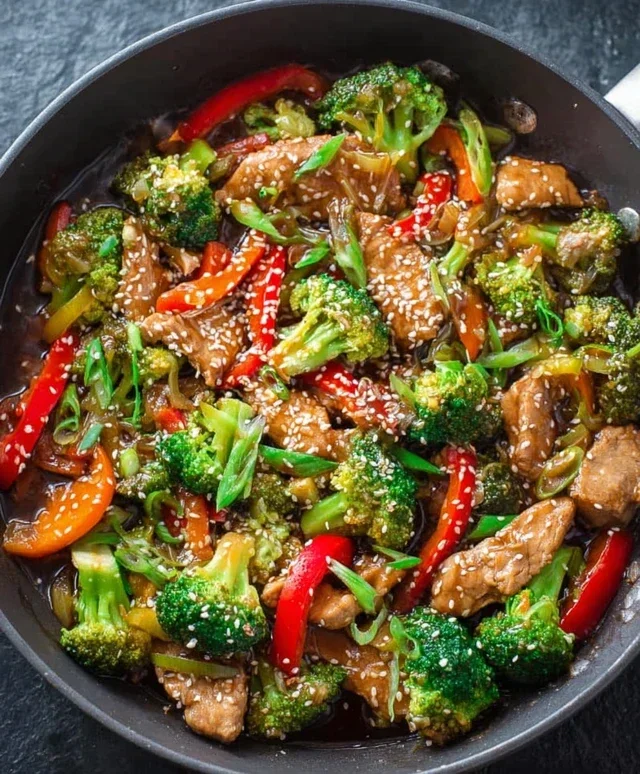
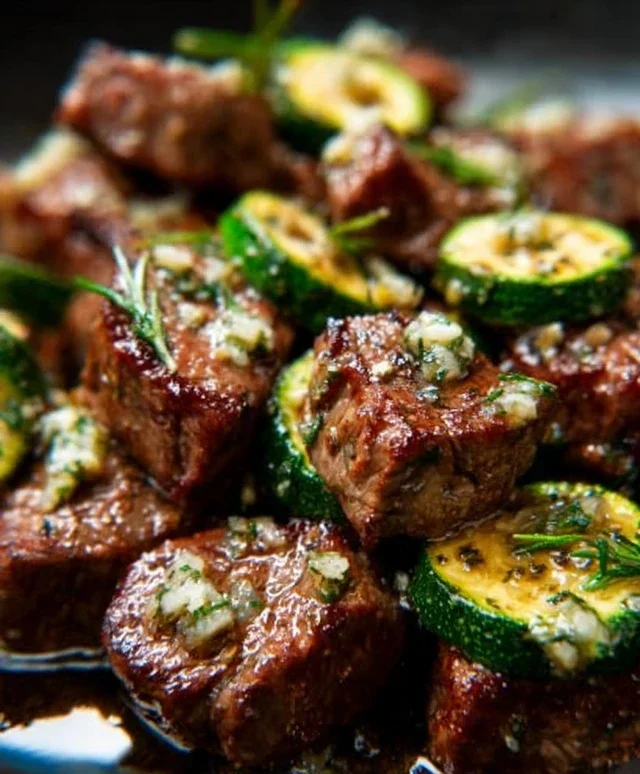
Chimichurri is incredibly versatile. It’s traditionally served with grilled steaks (asado), but it’s also phenomenal with chicken, fish, beef, and roasted vegetables like potatoes, broccoli, and bell peppers. You can also stir a spoonful into your scrambled eggs or use it as a marinade.
Store your homemade chimichurri in an airtight container in the refrigerator. It will keep well for up to a week. The olive oil may solidify slightly when cold; simply let it sit at room temperature for about 15-20 minutes before serving, and give it a good stir to re-emulsify.
Enjoy this burst of fresh flavor!
Conclusion:
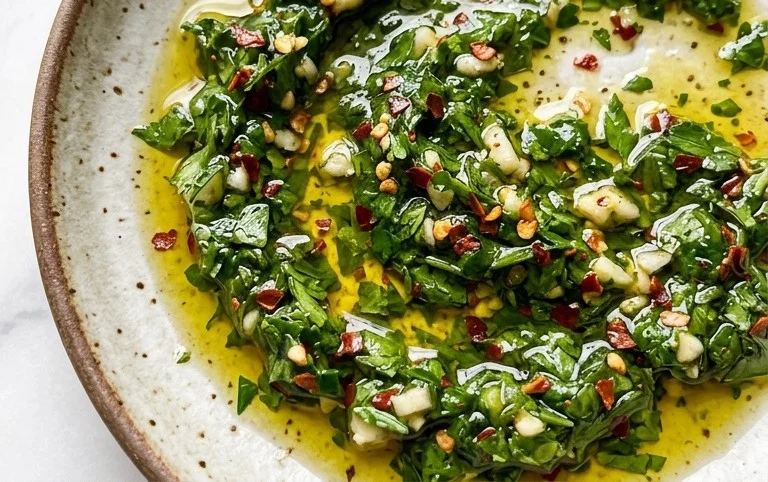
So there you have it! This chimichurri sauce recipe is incredibly simple to make but delivers a powerful punch of fresh, vibrant flavor that will elevate any dish. Its bright, herbaceous notes and subtle tang are a perfect counterpoint to grilled meats, roasted vegetables, and even simple bread. The beauty of this sauce lies in its versatility; it’s not just for steak! I encourage you to give it a try and experience firsthand how a few simple ingredients can transform your meals into something truly special. Don’t be afraid to experiment with the herbs and spices to find your perfect blend. Happy saucing!
Frequently Asked Questions:
Q: How long does chimichurri sauce last in the refrigerator?
A: Stored in an airtight container in the refrigerator, your fresh chimichurri sauce should stay vibrant for about 5-7 days. The flavors tend to meld even more beautifully after the first day.
Q: Can I make chimichurri sauce ahead of time?
A: Absolutely! In fact, letting the flavors meld for a few hours or overnight in the refrigerator often enhances the taste. Just be sure to bring it to room temperature for a few minutes before serving for the best texture and flavor.
Q: What are some other great serving suggestions for chimichurri sauce?
A: Beyond the usual grilled meats, chimichurri is fantastic drizzled over roasted chicken, pan-seared fish, or even used as a marinade. It’s also a wonderful addition to roasted root vegetables, grilled corn, or as a zesty dressing for potato salads and grain bowls. Don’t hesitate to get creative!
Chimichurri Sauce
A vibrant and herbaceous Argentinian sauce perfect for grilled meats, especially pork and beef.
Ingredients
-
1 1/2 cups well packed (42g) fresh parsley
-
1/2 cup well packed (20g) fresh cilantro
-
1/4 cup (9g) fresh oregano or 1 tsp dried
-
1/4 small red onion or one small shallot
-
3 garlic cloves
-
3 Tbsp red grape juice vinegar
-
2 Tbsp fresh lemon juice
-
1/2 tsp salt, (then more to taste)
-
1/4 tsp red pepper flakes ((optional, more or less to taste))
-
3/4 cup olive oil
Instructions
-
Step 1
Finely chop the fresh parsley, cilantro, and oregano. If using dried oregano, add it in the next step. -
Step 2
Finely mince the red onion (or shallot) and garlic cloves. -
Step 3
In a medium bowl, combine the chopped herbs, minced onion/shallot, minced garlic, red grape juice vinegar, fresh lemon juice, salt, and red pepper flakes (if using). -
Step 4
Whisk everything together until well combined. -
Step 5
Slowly drizzle in the olive oil while whisking continuously to emulsify the sauce. -
Step 6
Taste and adjust salt and red pepper flakes as needed. Let the sauce sit for at least 10 minutes to allow the flavors to meld before serving.
Important Information
Nutrition Facts (Per Serving)
It is important to consider this information as approximate and not to use it as definitive health advice.
Allergy Information
Please check ingredients for potential allergens and consult a health professional if in doubt.