Easy Frittata Recipe – Quick & Delicious Meal
Frittata Recipe: the ultimate versatile dish that’s as delightful for a leisurely brunch as it is for a quick weeknight dinner. Have you ever found yourself with a fridge full of odds and ends and a craving for something satisfying, yet effortless? That’s where this magnificent Italian-inspired omelet shines. People adore the frittata for its incredible adaptability. It’s a culinary canvas waiting for your creativity, a perfect vehicle for leftover roasted vegetables, a scattering of herbs, or a medley of cheeses. What truly makes the frittata special is its ability to transform humble ingredients into an elegant, cohesive meal. The beauty of a frittata recipe lies in its simplicity and its forgiving nature. It’s a dish that encourages experimentation, making it a staple in kitchens worldwide. Get ready to discover how easy it is to create your own delicious frittata!
Frittata Recipe
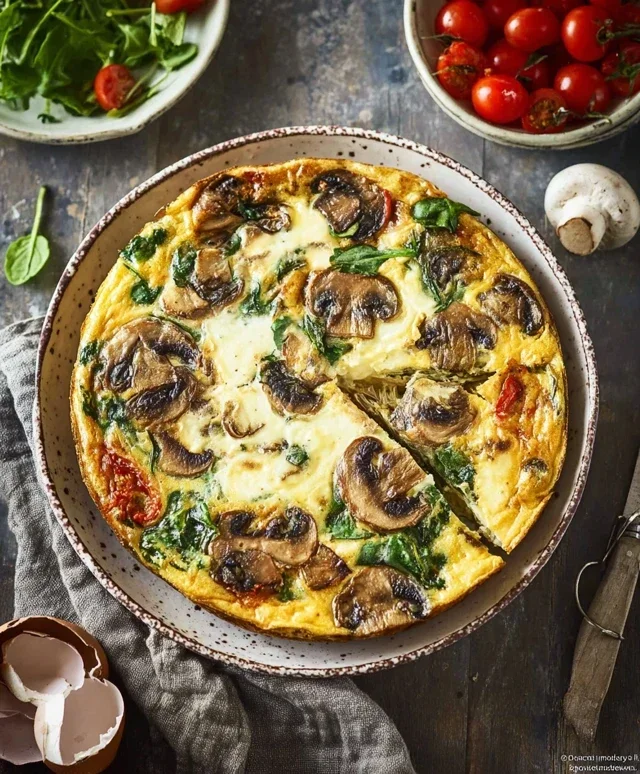
A frittata is one of those wonderfully versatile dishes that can truly shine for any meal of the day. Whether you’re looking for a hearty breakfast, a light lunch, or even a simple weeknight dinner, this Italian-inspired egg dish is your answer. It’s essentially a crustless quiche, cooked slowly on the stovetop and then finished under the broiler or in the oven until beautifully set and golden. The beauty of a frittata lies in its adaptability – you can use almost any vegetables you have on hand, and the cheese adds a delightful richness. Today, we’re making a delicious frittata packed with savory beef beef bacon (or a vegetarian option!), sweet onions, pungent garlic, a medley of colorful vegetables, and of course, plenty of melty cheddar cheese. Let’s get cooking!
Ingredients:
Cooking Instructions
Preparation is Key: Getting Your Ingredients Ready
The first step to a perfect frittata is to get all your ingredients prepped and ready to go. This is a dish that cooks relatively quickly once the eggs hit the pan, so having everything chopped, measured, and within easy reach will make the whole process much smoother and more enjoyable.
1. Cook the Beef Bacon and Sauté the Aromatics: If you’re using beef beef bacon, start by laying the slices in a cold, oven-safe skillet (a 10-inch skillet is ideal). Cook over medium heat, turning occasionally, until it’s nicely rendered and crispy. This usually takes about 8-10 minutes. Once it’s done, remove the beef bacon from the skillet and set it aside on a paper towel-lined plate to drain. You can crum extractble it once it’s cooled if you prefer. Don’t discard the beef bacon drippings – they’re liquid gold for flavor! If you’re opting for the vegetarian version, simply add 2 tablespoons of olive oil to the skillet over medium heat. Once the pan is warm, add your diced onion. Sauté the onion for about 5-7 minutes, stirring frequently, until it becomes softened and translucent, developing a lovely sweetness. Then, add the minced garlic and cook for another minute until fragrant, being careful not to burn it.
2. Cook the Vegetables: Add your chopped vegetables to the skillet with the softened onions and garlic (or the olive oil if you skipped the beef bacon). I like to use a colorful mix like chopped bell peppers (any color!), small broccoli florets, and diced zucchini. Stir everything together and cook for about 8-10 minutes, or until the vegetables are tender-crisp. You don’t want them to be mushy; they should still have a slight bite to them. Seasoning the vegetables lightly with a pinch of salt and pepper at this stage will help enhance their natural flavors. If you cooked beef bacon, you can add the crum extractbled beef bacon back into the skillet with the vegetables at this point, if you like, for an extra layer of smoky flavor.
3. Prepare the Egg Mixture: While the vegetables are cooking, it’s time to whisk together the eggs. In a medium bowl, crack the 10 eggs. Add the whole milk, fine sea salt, freshly ground black pepper, and paprika. Whisk vigorously until the yolks and whites are completely combined and the mixture is a uniform pnon-alcoholic ale yellow color. The milk helps to make the frittata tender and creamy. The paprika adds a lovely subtle warmth and color.
4. Combine and Cook on the Stovetop: Once your vegetables are tender-crisp, pour the whisked egg mixture evenly over them in the skillet. Gently shake the pan to ensure the egg mixture settles into all the nooks and crannies. Sprinkle the shredded Cheddar cheese evenly over the top of the egg mixture. At this point, you want to reduce the heat to low, cover the skillet with a lid, and let the frittata cook gently for about 10-15 minutes. You’ll see the edges start to set, but the center may still look a little wobbly. The goal is to let the bottom and sides cook through without overcooking the top.
5. Finish Under the Broiler (or in the Oven): This is where the magic happens to get that beautiful golden-brown finish. Once the edges of the frittata are set, you have two options. For the quickest and often most reliable finish, preheat your broiler. Carefully place the oven-safe skillet under the broiler for 2-4 minutes, watching it very closely, until the top is puffed up and golden brown. Alternatively, if you don’t have a broiler or prefer to use your oven, preheat it to 375°F (190°C). Once the frittata has cooked on the stovetop until the edges are set, transfer the entire skillet to the preheated oven for about 10-15 minutes, or until the frittata is fully set in the center and has a beautiful golden crust. You can check for doneness by gently jiggling the pan; the center should no longer be liquid.
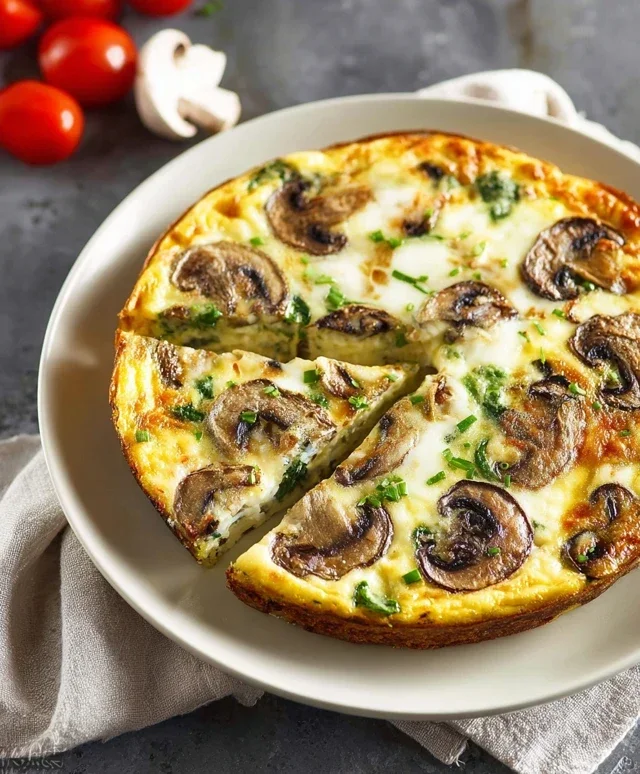
Once your frittata is cooked through and beautifully golden, carefully remove the skillet from the broiler or oven. Let it rest in the skillet for about 5-10 minutes before slicing. This resting period allows the frittata to firm up completely, making it easier to serve. You can then slide it out of the skillet onto a cutting board, cut it into wedges, and enjoy! It’s delicious served warm or at room temperature, making it perfect for leftovers too. Enjoy your homemade frittata!
Conclusion:
So there you have it – a foolproof guide to creating a delicious and versatile frittata! This recipe is truly a winner because of its incredible adaptability. Whether you’re a seasoned chef or just starting in the kitchen, a frittata offers a fantastic way to use up leftover vegetables, bits of cheese, or even cooked meats. It’s the perfect dish for a leisurely weekend brunch, a quick weeknight dinner, or even a portable lunch. The beauty lies in its simplicity and the endless possibilities for customization. Don’t be afraid to experiment with your favorite ingredients and make this frittata recipe your own!
I highly encourage you to give this frittata a try. It’s a satisfying and nutritious meal that’s surprisingly easy to master. Serve it warm straight from the pan, or let it cool slightly and enjoy it at room temperature. It pairs wonderfully with a fresh green salad, crusty bread, or a dollop of sour cream or pesto.
Frequently Asked Questions about Frittatas:
What are some other great filling ideas for a frittata?
The options are truly endless! Beyond the suggestions in the recipe, consider adding sautéed mushrooms, roasted red peppers, spinach, artichoke hearts, sun-dried tomatoes, cooked beef bacon or sausage, or even leftover roasted chicken. Experiment with different cheeses too, like goat cheese, feta, or Gruyère.
Can I make a frittata ahead of time?
Absolutely! Frittatas are fantastic for make-ahead meals. You can bake it completely, let it cool, and then store it in the refrigerator for up to 3-4 days. Reheat gently in the oven or microwave, or enjoy it cold.
What’s the difference between a frittata and an omelet?
The main difference lies in the cooking method. An omelet is typically cooked quickly in a pan and folded over its filling. A frittata, on the other hand, starts on the stovetop with the fillings and then is finished in the oven (or under the broiler) without being folded. This results in a more uniform, cake-like texture.
Frittata Recipe
A versatile frittata packed with vegetables and cheese, perfect for breakfast, brunch, or a light meal.
Ingredients
-
4 slices beef bacon
-
½ cup onion, diced
-
1 teaspoon minced garlic
-
4 cups vegetables, chopped (e.g., bell peppers, broccoli, zucchini)
-
10 eggs
-
¼ cup whole milk
-
½ teaspoon fine sea salt
-
¼ teaspoon freshly ground black pepper
-
¼ teaspoon paprika
-
1 cup shredded Cheddar cheese
Instructions
-
Step 1
If using beef bacon, cook in a large, oven-safe skillet over medium heat until crisp. Remove bacon and crumble. If making vegetarian, heat olive oil in the skillet. -
Step 2
Add diced onion to the skillet and cook until softened, about 5 minutes. Add minced garlic and cook for 1 minute more until fragrant. -
Step 3
Add chopped vegetables to the skillet and cook until tender-crisp, about 8-10 minutes. Season with salt, pepper, and paprika. -
Step 4
In a bowl, whisk together eggs and milk. Stir in the crumbled beef bacon (if using) and shredded Cheddar cheese. -
Step 5
Pour the egg mixture evenly over the vegetables in the skillet. Cook over medium-low heat for 5-7 minutes, or until the edges are set. -
Step 6
Transfer the skillet to a preheated oven at 375°F (190°C) and bake for 10-15 minutes, or until the frittata is set and lightly golden. -
Step 7
Let the frittata cool slightly before slicing and serving.
Important Information
Nutrition Facts (Per Serving)
It is important to consider this information as approximate and not to use it as definitive health advice.
Allergy Information
Please check ingredients for potential allergens and consult a health professional if in doubt.